The name of the courtyard
The immortal knight
Between history and legend.
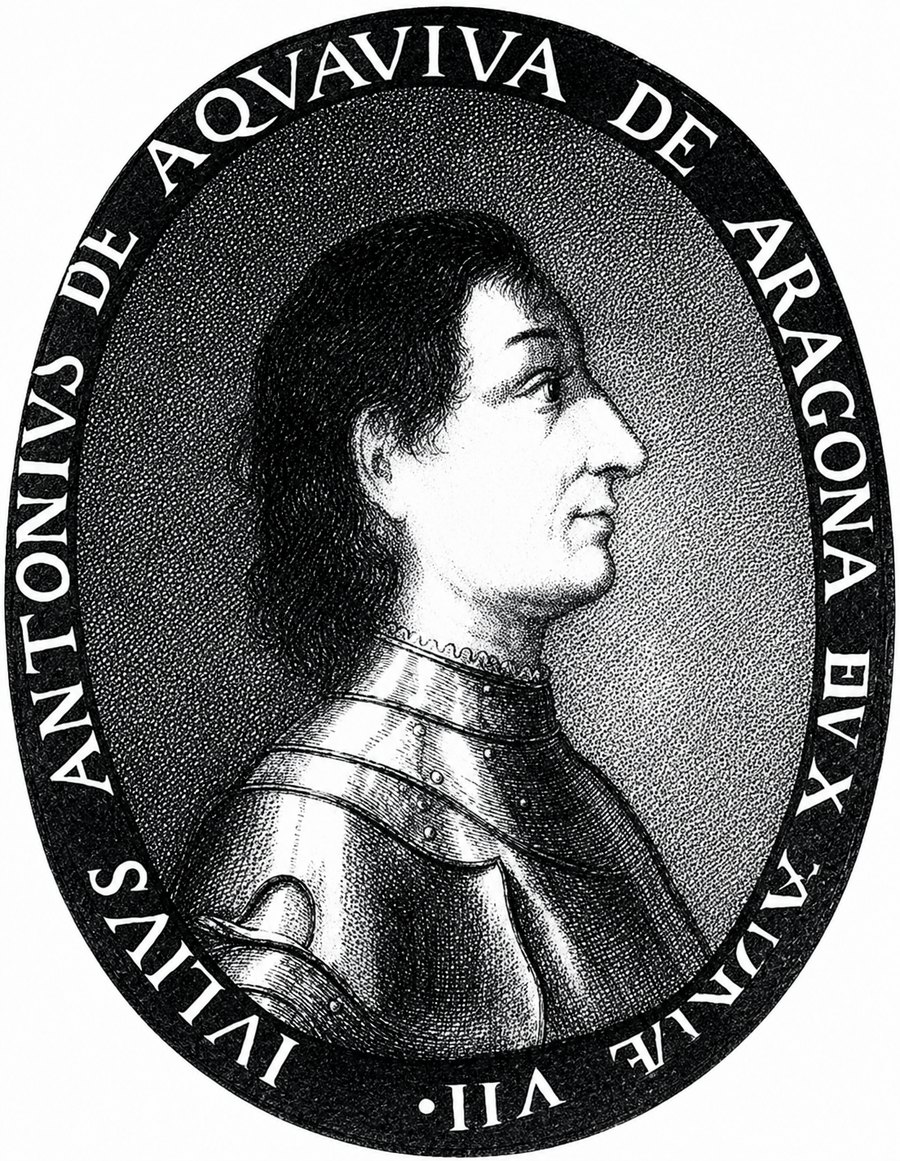
The chronicle
Giulio Antonio Acquaviva d'Aragona
Giulio Antonio Acquaviva d'Aragona was born in Atri, in Abruzzo, around 1428. Seventh Duke of Atri and founder of Giulianova, he belonged to the powerful House of Acquaviva, one of the "seven great houses" of the Kingdom of Naples. In 1456 he married Caterina Orsini del Balzo, daughter of the immensely powerful Giovanni Antonio Orsini del Balzo, prince of Taranto and duke of Bari, acquiring vast possessions in Puglia. He was a man of arms in the service of the Crown of Aragon, lieutenant during the dramatic season of the Ottoman invasion of Salento.
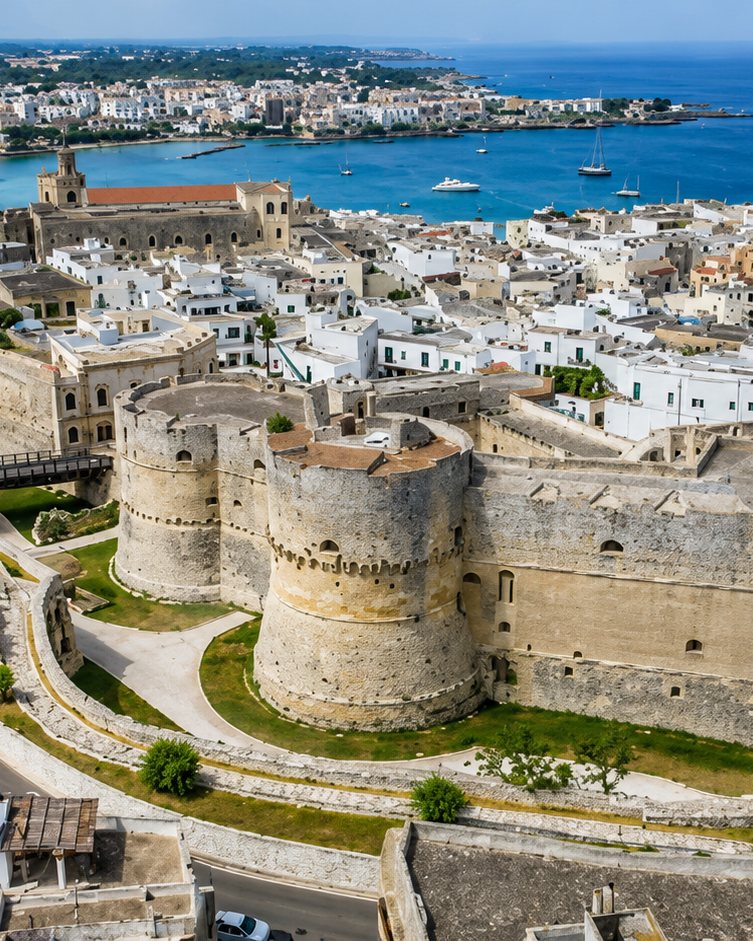
In the summer of 1480, the Turks of Gedik Ahmet Pasha captured Otranto, opening one of the darkest chapters in the history of Puglia.
The context
The summer that shook Salento
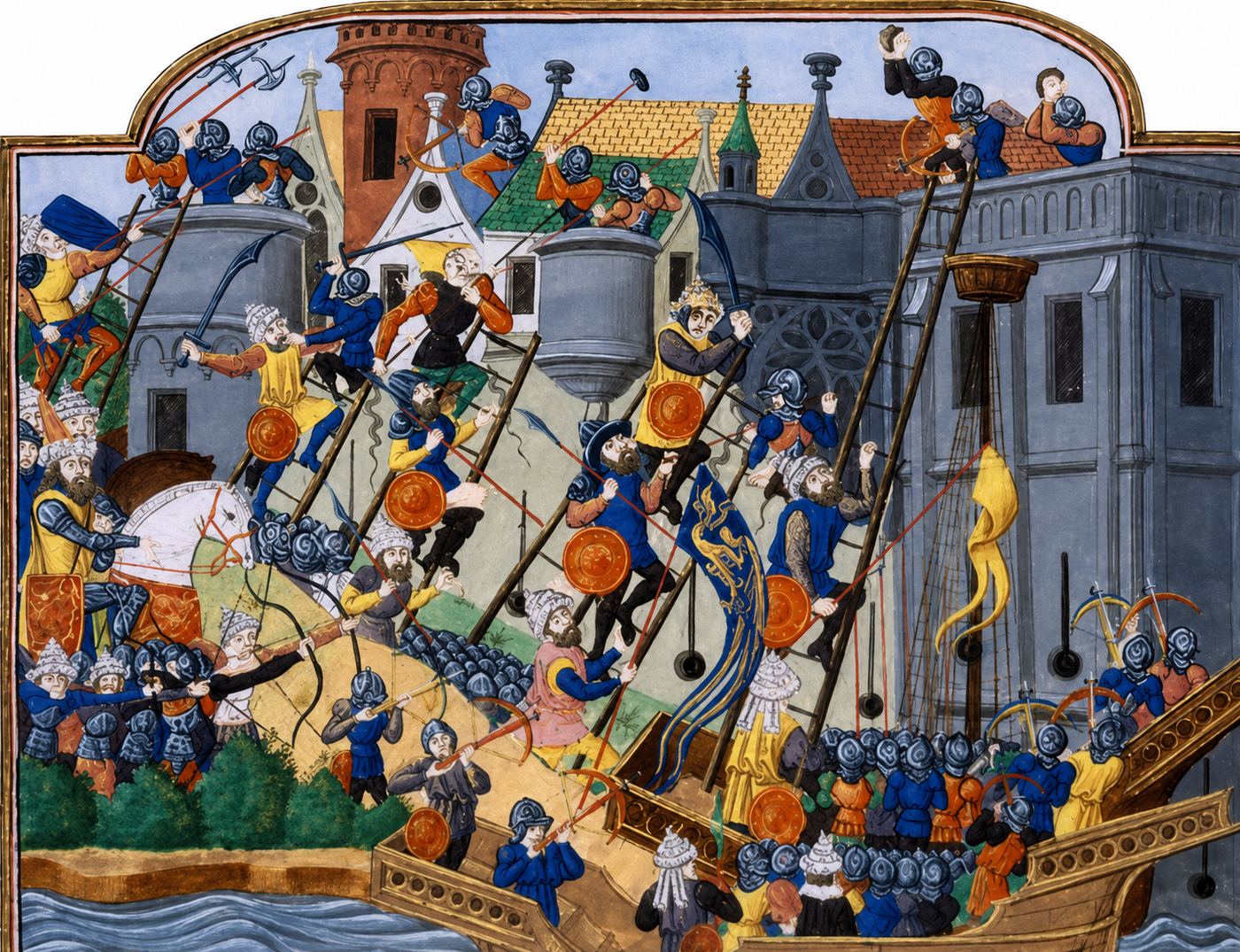
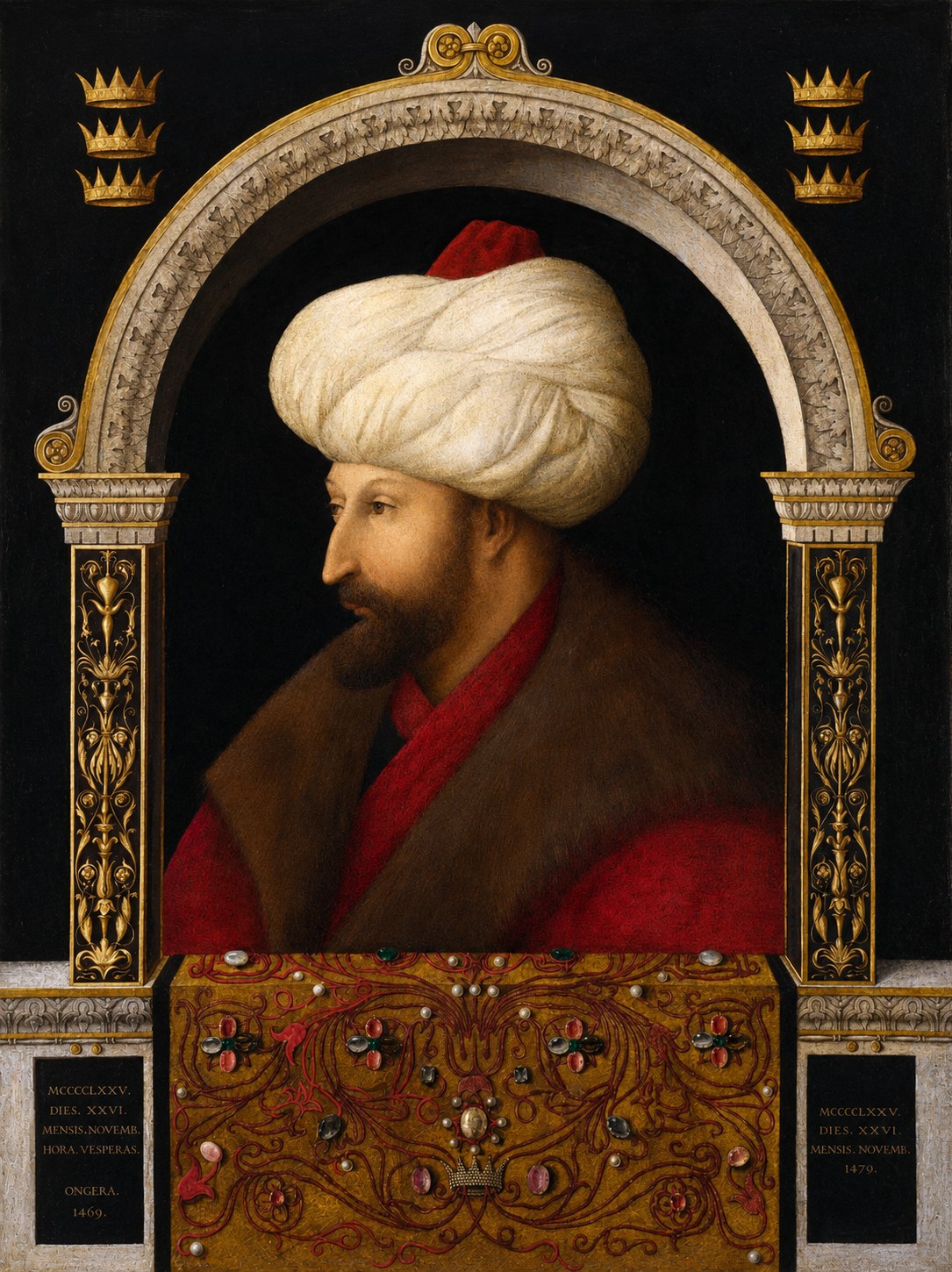
In the summer of 1480, the Ottoman fleet led by Gedik Ahmet Pasha, in the service of Sultan Mehmet II "the Conqueror", landed on the Salento coast and laid siege to Otranto. The fall of the city was followed by the massacre of the Eight Hundred Martyrs, a wound that marked the memory of this land and its people for centuries. Count Giulio was the first to rush to the Terra d'Otranto with his men in an attempt to retake the city: chronicles of the time describe him as an exceptionally skilled swordsman, greatly feared among enemy ranks.
The passage through Bagnolo
The count's last ride
On 7 February 1481, while pursuing a Turkish detachment, he fell into an ambush near Minervino di Lecce and died, struck in the neck by a scimitar blow.
The chronicles say that Count Giulio remained steady in the saddle, and the horse, panicked, did not stop: it kept running for kilometres, carrying its master's body towards Sternatia, where the garrison was camped.
It was during that ride that the horse passed by the church of Bagnolo, while Mass was being celebrated inside. It is here, on the road that today runs through the village and skirts our courtyard, that the count's body is said to have first slipped from the saddle.
His head, taken by the Turks as a trophy, was raised on the walls of Otranto's castle and later sent as a gift to the Sultan in Constantinople.
The legend
The glorious knight
Where the chronicle ends, folklore begins.
The knight who would not yield
It is said that, even without his head, Count Giulio kept fighting for a long stretch, sword in hand, spreading panic among his enemies.
Legends of the Basso Salento
Even today, according to local folklore, in the moonlit countryside some claim to have seen a galloping horse carrying a headless rider, sword raised against enemies long gone.
The origins
The heavy plate armour of the fifteenth century, which locked the knight's body onto the saddle of his steed, would have allowed the commander to stay upright even after death — and allowed the story to turn into legend.
Sources consulted
- Giovanni Michele Marziano, Successi dell'armata turchesca nella città d'Otranto nell'anno MCCCCLXXX — a 16th-century chronicle of the siege of Otranto
- Antonio De Ferrariis, known as il Galateo, De situ Iapygiae — a Salento humanist's account of the context of the Ottoman invasion
- Fondazione Terra d'Otranto — historiographical research on the figure of Count Giulio Antonio Acquaviva
- Popular tradition and oral tales from the Basso Salento
- Encyclopaedic entry "Giulio Antonio I Acquaviva d'Aragona" — for the count's biographical and genealogical details
- Genealogical studies on the Duchy of Atri and the House of Acquaviva d'Aragona — on the ties with the Orsini del Balzo family and the Principality of Taranto
We'll be waiting for you
We'll tell you the rest ourselves
In Bagnolo people still talk about this story. Come and spend a few days in the courtyard, and hear how it carries on.
Book now